Why Now Is the Time to Switch to an Electric Bike
The global news cycle rarely feels directly connected to how we travel to work or run errands. Yet the escalating crisis in the Middle East—particularly the conflict involving Iran—is already pushing global energy markets into volatility, with fuel prices and household energy costs rising across the UK.
For individuals, families and businesses, this uncertainty is becoming an expensive reality. Petrol prices are expected to climb further as oil markets react to supply disruptions, with some analysts warning they could exceed previous UK records. Meanwhile, rising gas and energy costs are also feeding into the wider cost-of-living pressures facing households and organisations.
Against this backdrop, the question becomes simple: how can people protect themselves from volatile energy markets? One increasingly compelling answer is the electric bike.

Breaking Free from Fuel Price Volatility
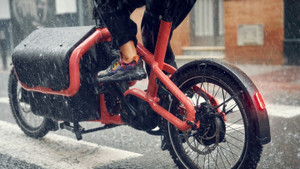
Cars, vans and delivery fleets remain heavily dependent on petrol and diesel. When geopolitical shocks hit the oil market, transport costs rise almost immediately. Electric bikes, however, operate on a tiny fraction of the energy required to move a car. Charging an eBike battery typically costs only a few pence and can provide dozens of miles of assisted travel.
This independence from fossil fuels means riders are somewhat insulated from the price shocks that now accompany global instability.
A Smarter Commuting Choice
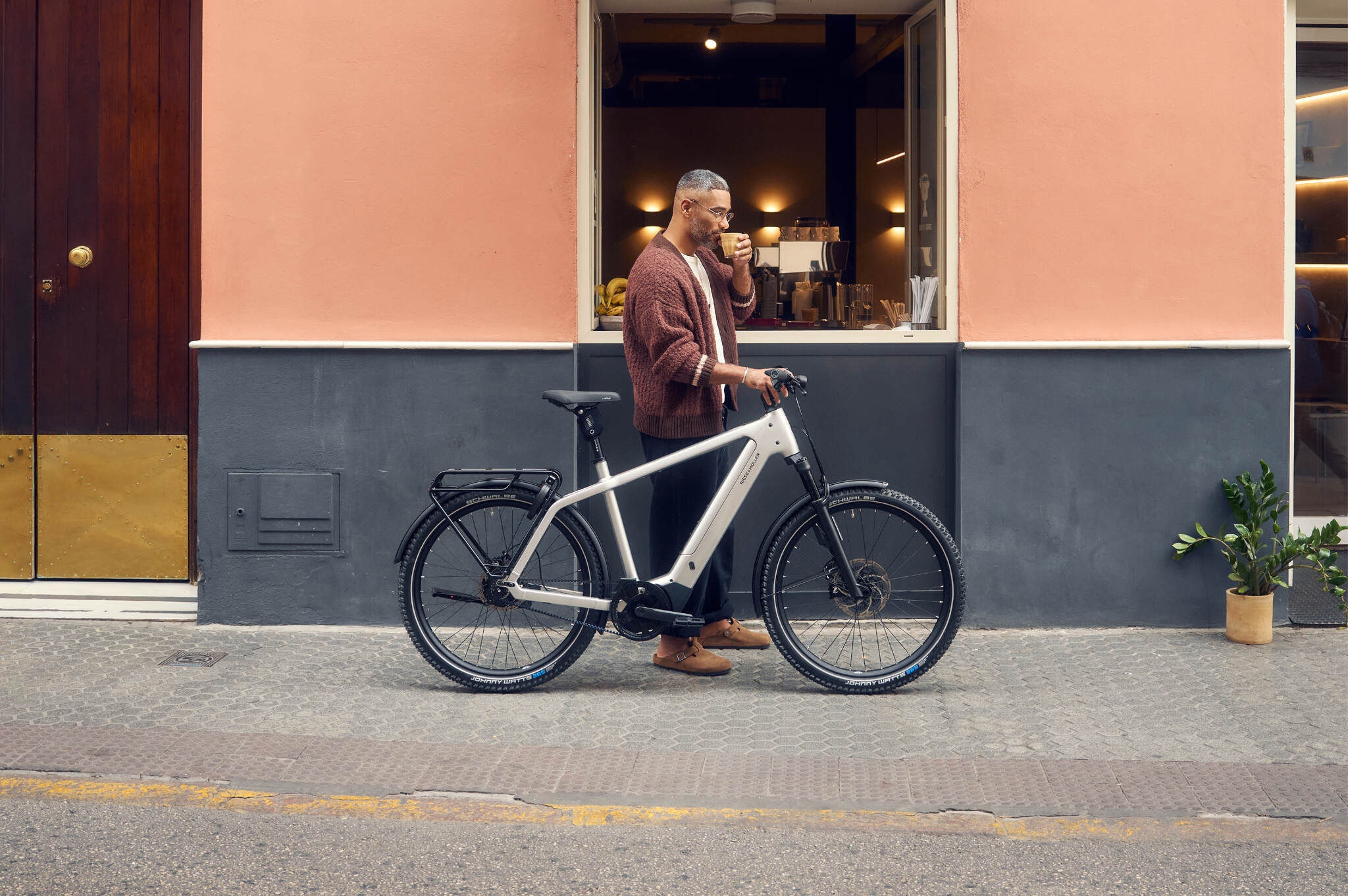
Beyond fuel savings, electric bikes are transforming the daily commute across the UK. Around 40% of eBike owners already use them for commuting, highlighting how quickly they are becoming a mainstream transport option.
With pedal assistance helping riders tackle hills and longer distances, eBikes make cycling accessible to people who might otherwise rely on cars or crowded public transport. In urban areas especially, they can often be faster than driving during rush hour while eliminating parking fees and congestion charges.
For workers facing both rising travel costs and time pressures, that combination of affordability and efficiency is hard to ignore.
Practical for Families
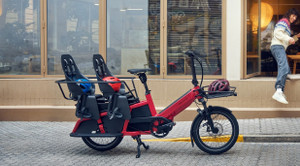
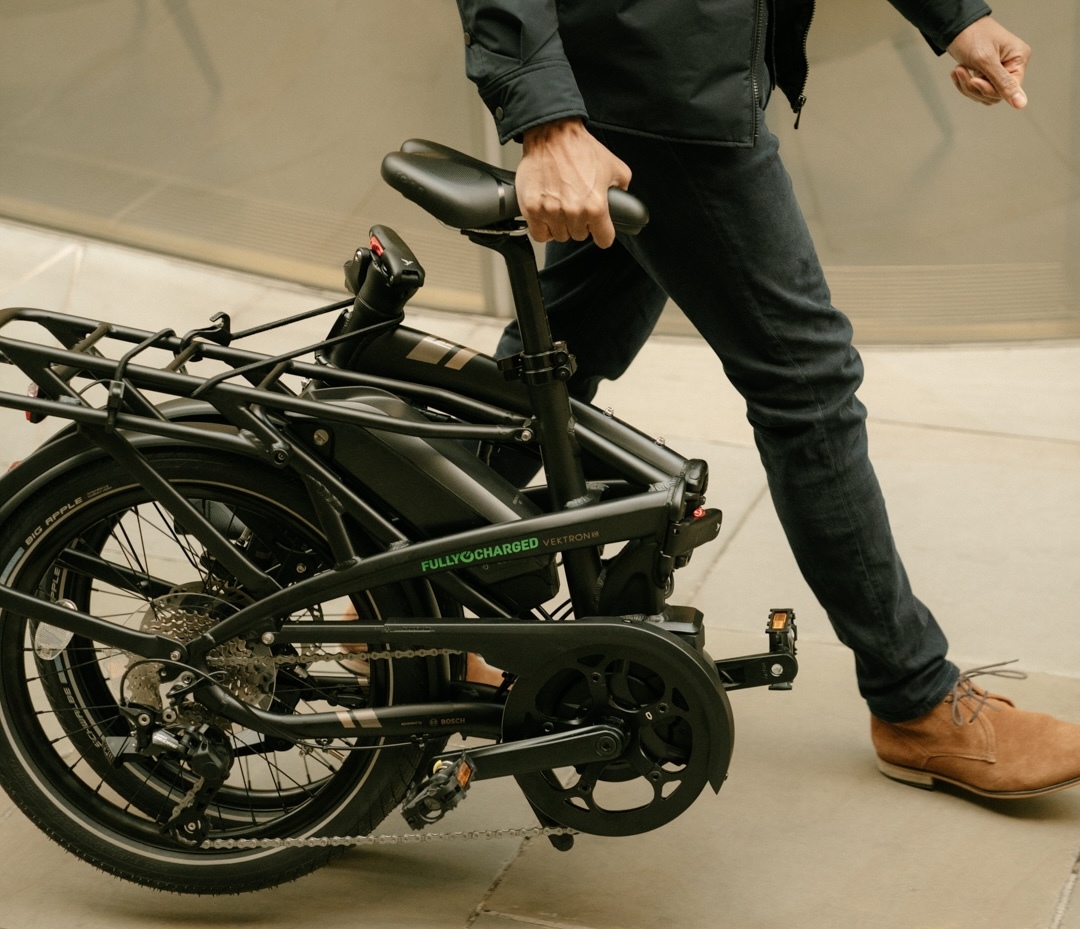
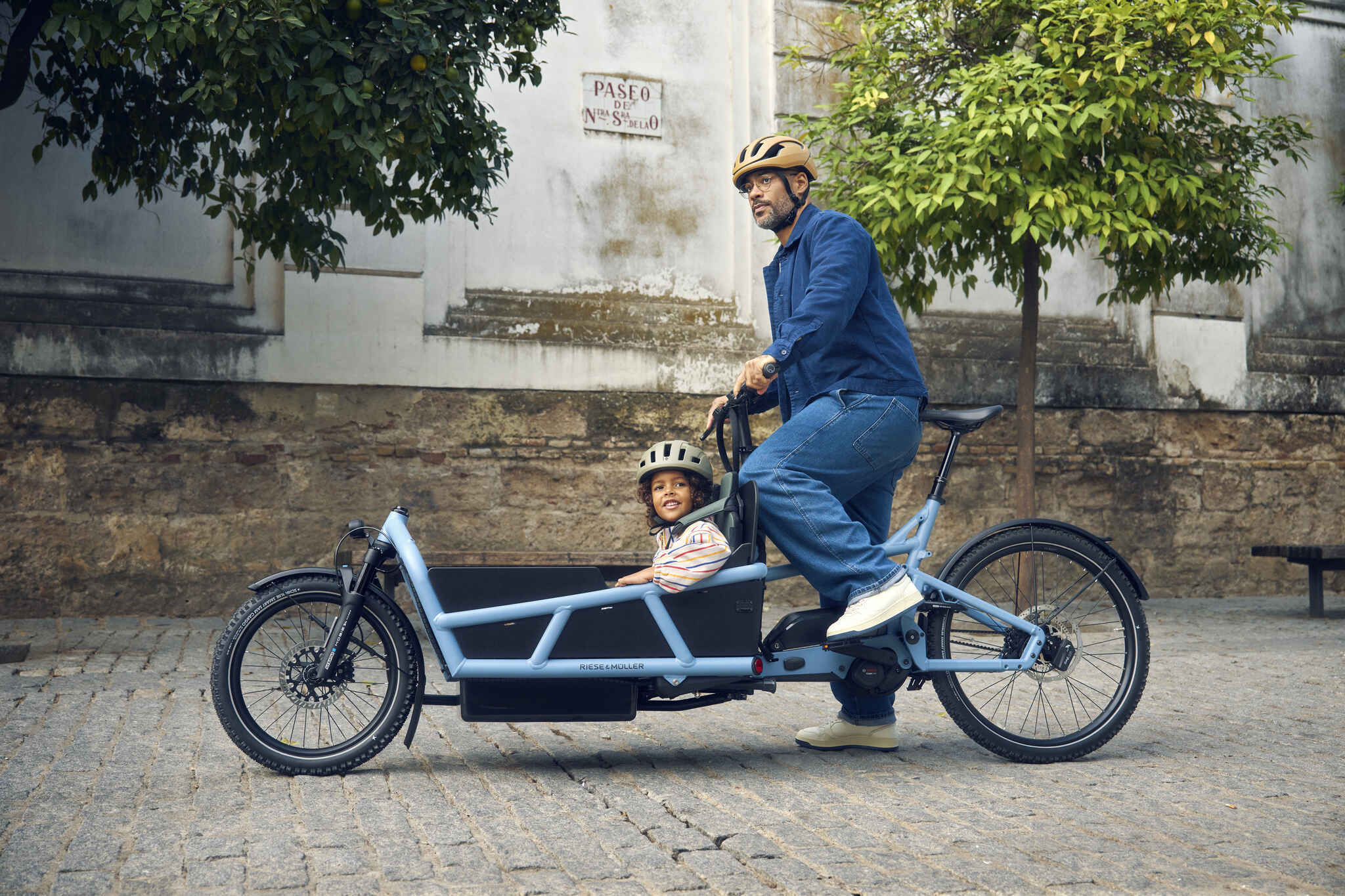
Electric bikes are no longer limited to solo commuters. Electric cargo bikes now make it easy to carry children, groceries or equipment. For many families, they can replace short car journeys such as school runs or local shopping trips.
The result is not just savings on fuel but reduced wear on family vehicles and lower overall transport costs, something particularly valuable during periods of economic uncertainty.
A Strategic Advantage for Businesses
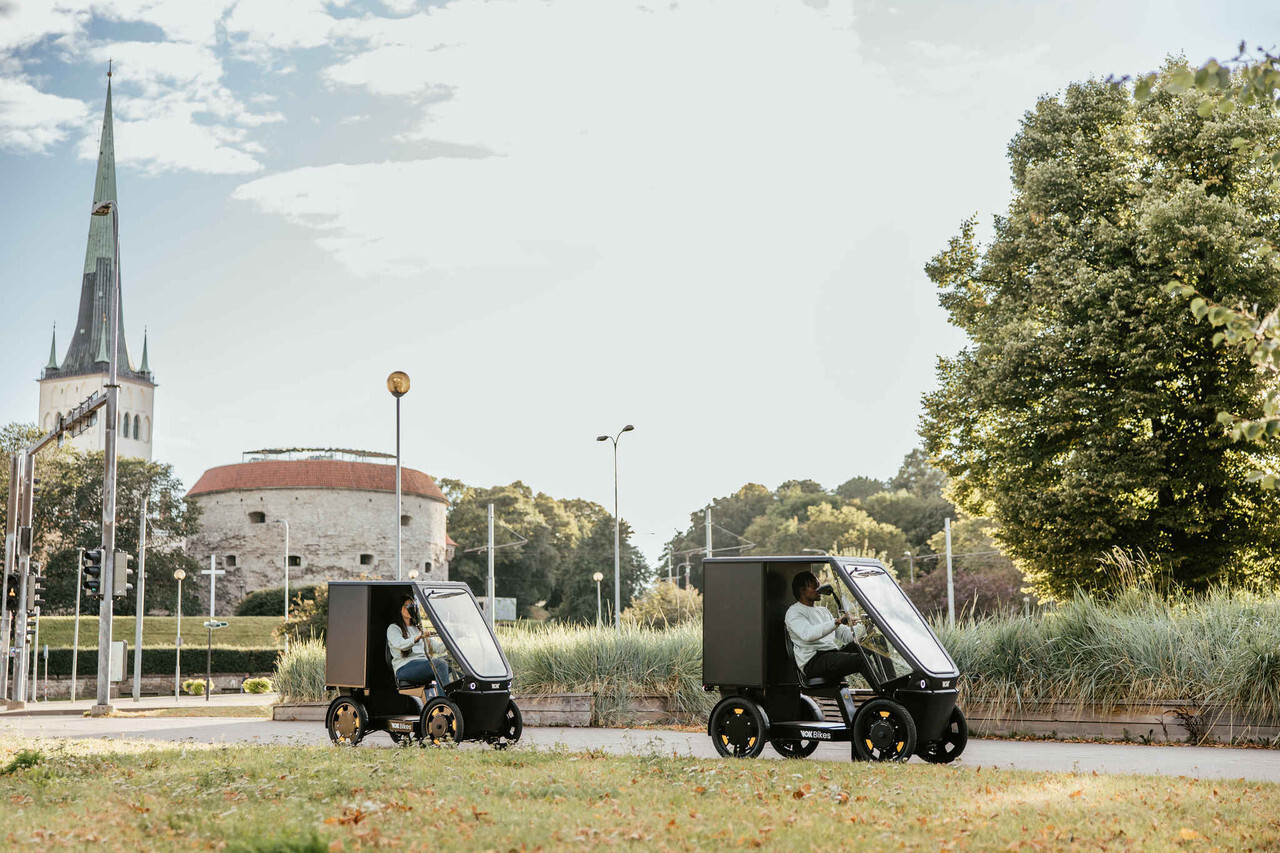
Businesses are also recognising the opportunity. For local deliveries, property management, hospitality or service companies and many other practical uses, electric bikes offer a cost-effective fleet option.
Compared with vans, they require minimal maintenance, no trips to the fuel station, no vehicle tax, no MOT and no parking fees. They also allow staff to move quickly through congested urban areas, improving efficiency for last-mile deliveries or site visits.
As organisations face increasing pressure to cut both costs and carbon emissions, eBike fleets present a solution that supports both financial and sustainability goals.
A Future-Proof Way to Travel
The UK eBike market is growing, with sales projected to reach around 165,000 units annually. Rising fuel costs, urban congestion policies and environmental goals are all accelerating this shift.
In uncertain times, people naturally look for stability. Electric bikes offer exactly that—a reliable, low-cost and future-ready way to move around.
While geopolitical tensions and fuel price spikes may be beyond our control, how we travel isn’t. And increasingly, the smartest choice is to ride past the petrol station.